

Annonimouz Flyer from July 25, 1997
When my mom talks about her party crew in South Central, she does not list off DJ names or venues. She remembers the feeling: 30 people deep, cars lined outside the house, waiting for her to come out. Her strict parents did not know what went down after she got picked up, only that it took the head of the crew showing up in person for her to leave the house. The soundtrack?
A bass-heavy loop blaring “THIS… IS… LOS ANGELES”, Boogie Bear’s raw 90s anthem. It was the kind of track that did not need a DJ’s name. The kind of song you did not just dance to, you lived in it.
“That’s the song I think of when I think of those nights,” she said. And suddenly, everything else fell into place. The flyer. The cars. The nickname: Preciouz.
My mom known as Preciouz in the 1990s, has shared with me that she was an active organizer and participant in the rave scene of the 1990s and that most of these underground raves started in people’s backyards and eventually were held in warehouses after creating a network of ravers. Through word of mouth, passing out flyers, map points, and overall creating a network of ravers demonstrated the expansion of how the underground rave movement had widespread popularity and cultural influence.
In the 1990s, the rise of the AIDS epidemic, gang violence, poverty, and Proposition 187 were issues affecting folks in Los Angeles that shaped the social and political landscape of the city. Gang activity in South Central contributed to an increase in violent crime. Proposition 187, which was approved in 1994, prohibited undocumented immigrants from receiving public services and raised emotions in immigrant neighborhoods. The social and political climate of the city was shaped during that decade by these difficulties, which impacted many people in Los Angeles.
Party crews like Annonimouz in South Central disrupt the capitalist logic that reduces our bodies to labor machines, meant only to produce, never to feel. In a society that values us solely for our output, where rest is criminalized and joy is surveilled, these gatherings carve out space for release, intimacy, and pleasure on our own terms. To dance, to sweat, to gather with intention becomes refusal. A refusal to be reduced. A refusal to be consumed. These parties were not sponsored. There was no brand activation. No stage-to-Instagram pipeline. Just sound, breath, and bodies reclaiming the night.
Participating in Annonimouz was an act of care and resistance. It reoriented value away from profit and toward presence. Toward collective survival. In that way, these events offered a confrontation: a confrontation with the idea that we are only worth what we can produce for others.
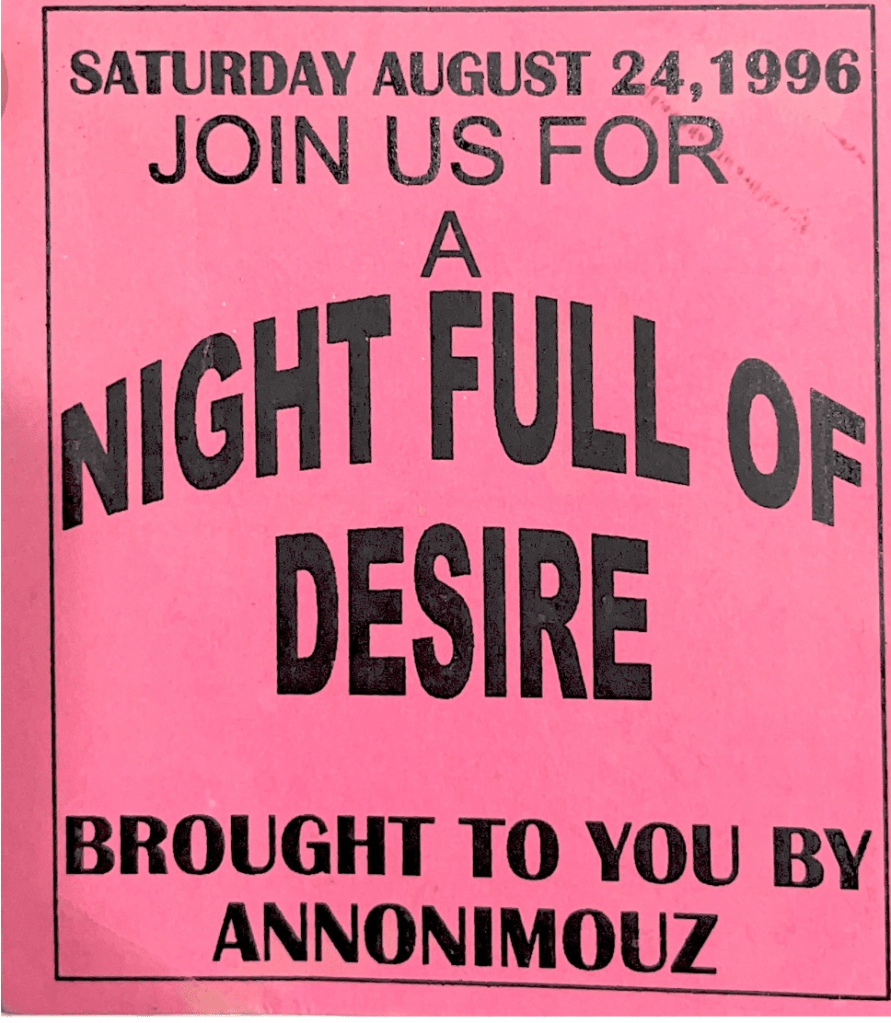
House music, techno, and even rock en español were more than just the soundtracks to backyard and warehouse events, they were portals. Somewhere between the basslines and the hiss of cassette tapes, a generation carved out a feeling to feel right, to dream beyond borders, beyond violence, beyond the grind. My mom was not just escaping when she snuck out to dances but was building something. A lineage of sonic resistance. A reminder that even under surveillance, displacement, and criminalization, we have always found ways to reclaim joy.
Preciouz was not just her crew party name, it was a declaration, to her life, her pleasure, her presence in this city.
And maybe that is the point that these raves are moments and messages.
This is Los Angeles.
This is what we make of it.
This is how we survive.
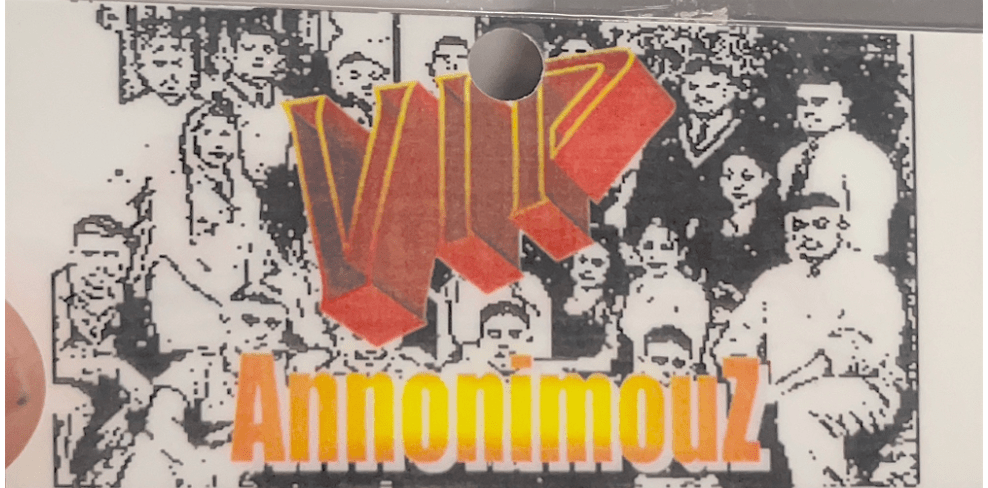
Members of Annonimouz
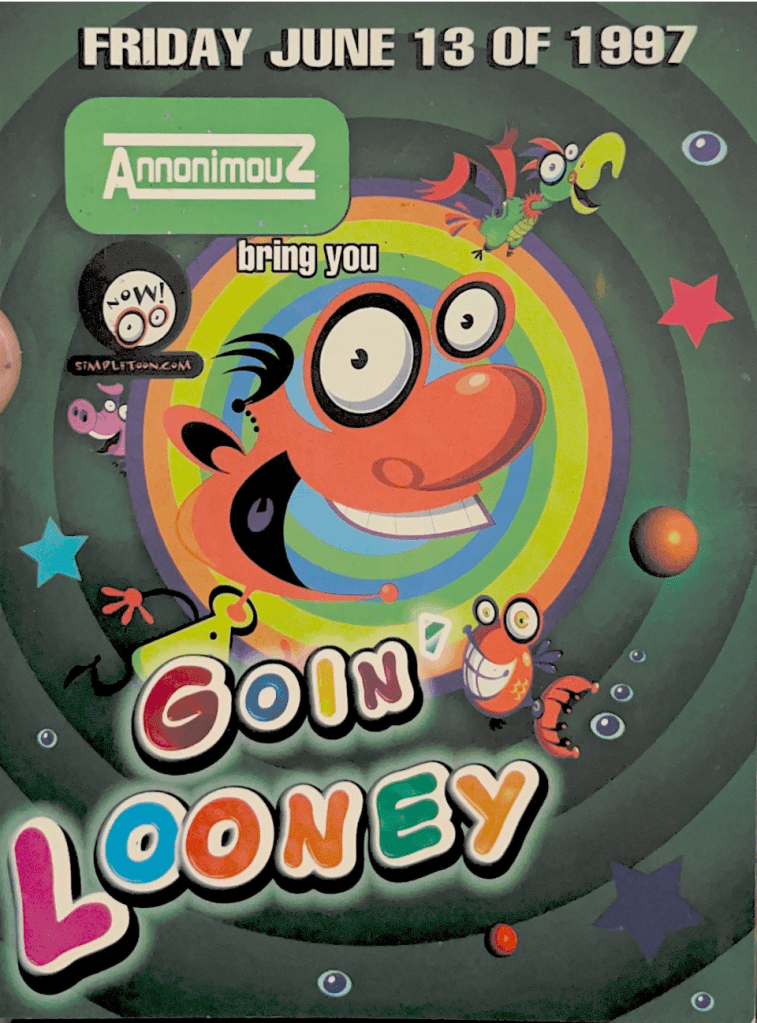
Other Flyers from Annonimouz


 Counter-Archives from the Dancefloor
Leave a comment