

Personal Archive: Front Right at Sound Nightclub
Los Angeles nightlife is constantly shifting, but some things remain true: the most powerful dancefloors are not always glamorous; they are where people come for the music, the community, and the feeling. This past weekend reminded me of that. Across three nights from Hollywood to the underground afters in Downtown, I felt what it means to move through LA as a Latina raver, surrounded by sound, sweat, and chosen community. Here is what happened.
On Thursday, I hit Sound Nightclub for Beltran and Dennis Cruz. Friday, I went to BlindTiger. And Saturday? One of my mutuals threw a full-blown afters takeover that I still feel in my bones.

Personal Archives: Techno Scholars x Beans Collab ready for Beltran & Dennis Cruz
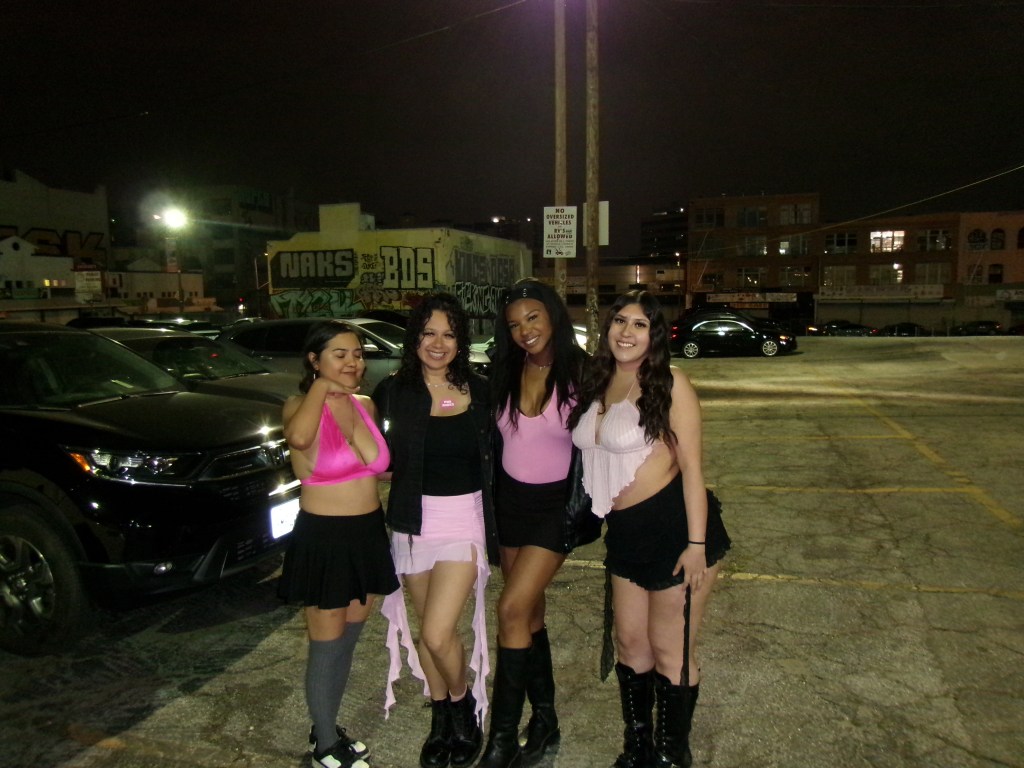
Thursday night was a reunion with my beans at Sound. Even though the club sits in the middle of Hollywood, a place that usually centers white nightlife, I could not help but notice how many Latinos were in the room. That night, we shifted the center. Beltran brought the crowd in, but when Dennis Cruz came on, the real music lovers stayed until the end. Their sets took me back to Club Space in Miami: heads down, eyes closed, completely immersed.
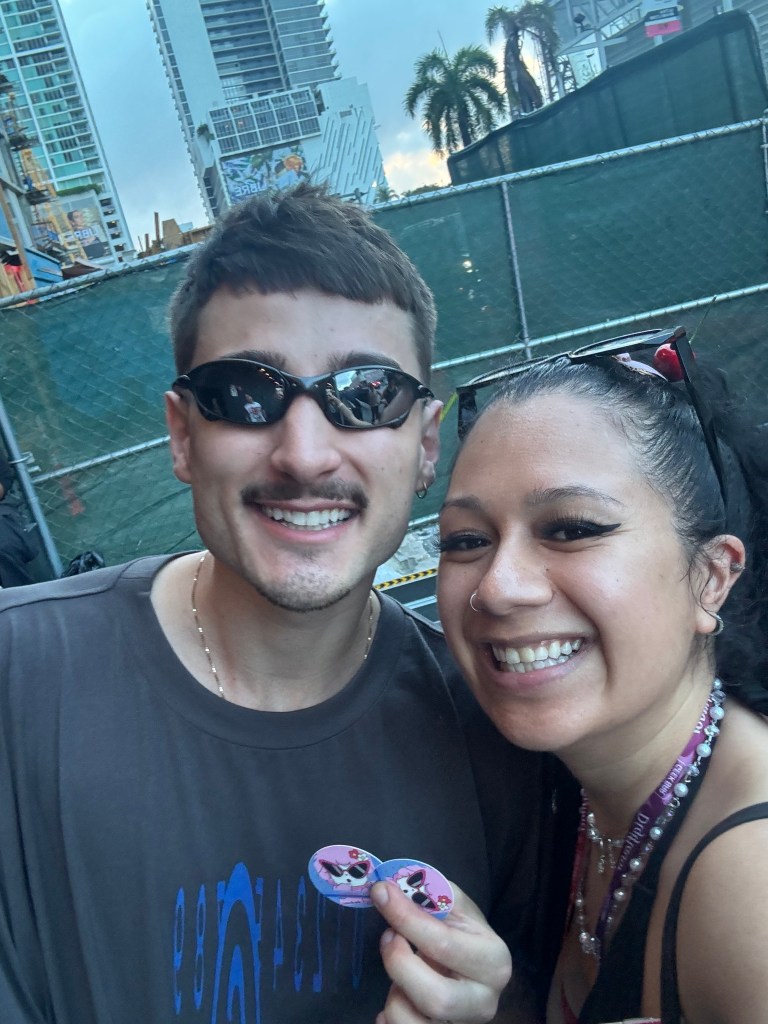
Personal Archive: Running into Beltran before walking into Club Space in Miami
Beltran actually follows me on Twitter and we have ran into each other at festivals and chatted after a few shows, and it is always felt easy, never transactional. One thing I have come to love about the house and techno scene is how kind and grounded DJs like him, Marco Strous, ChaseWest to name a few. There are no entitlement, no “I’m better than you” energy, just people who genuinely love music. It is like we are all friends, even if we have only shared a moment on the dancefloor.
These experiences make me think about what Gaye Theresa Johnson (2013) calls spatial entitlement: how marginalized communities, especially Black and Brown folks, claim space not just physically, but through the vibes, the bodies, and the sounds we bring into the room. Even in a city like LA, where nightlife often fractures along race, cost, and clout, Sound nightclub became a space of belonging that night.
However, Sound is not on the scale of Club Space in Miami; it is smaller, more intimate, but that is the point. It is all about the energy and the music. The lighting setup (moving lanterns suspended from the ceiling) adds to the experience. And even though it is based in Hollywood, it still feels somewhat underground. It is one of the few LA venues that consistently delivers a deeper, darker sonic vibe that people usually have to dig for. Nonetheless, Sound is not a queer Latinx space like Club Tempo, but the way folks show up; how we dress, how we dance does create something collective. It felt like a glimpse of what José Esteban Muñoz (2009) calls queer brown futurity: a moment of “being with” and “being alongside,” if only for the night.
That energy did not stop at Sound. On Friday, I saw my DJ bestie Guilty Pleasure spin at one of the only house afters in LA: BlindTiger. Unlike most LA afters, which lean hard into industrial techno, BlindTiger insisted on house, on soul, on movement, on presence. The place was filled with Black and Latino heads moving together until sunrise. It was sweaty, soft, and fully alive. BlindTiger feels like a hidden sanctuary in LA’s afterhours scene. In a city where nightlife is often segregated by race, cost, and genre, BlindTiger becomes a reclaimed site of spatial entitlement where joy, rhythm, and Black and Brown presence take center stage without having to justify themselves. I also love BlindTiger because, like Sound, it is a smaller venue with an intimate vibe where I have met some amazing people, and it attracts real groovers who are there for the music.
Saturday night, my friend SQUISH hosted a full-on techno takeover in a downtown LA warehouse and brought his crew of DJs. The place was packed, the music was hard, but the love in the room was real. That is when I started thinking about José Anguiano’s (2018) concept of Latino cultural citizenship: how sound becomes a way we assert our right to exist, gather, and feel joy. Like the Mexican custodians in his study who listened to Spanish radio to feel seen and held at work, these late-night dancefloors felt like our way of building home in a city that often tries to make us invisible.

Personal Archive: Kush’s, Scorpio’s BeatFreak’s and SQUISH’s stickers on BlindTiger’s wall
In three nights, I saw how LA’s house and techno scenes hold space for joy, connection, and resistance, especially for Black and Brown ravers. Whether at a mainstream venue like Sound, an afters like BlindTiger, or a warehouse party organized by friends, these spaces become more than places to dance. They become places to exist freely, to reclaim joy, and to feel each other’s presence. This weekend reminded me that we do not just party, we create space. And in a city like LA, that is revolutionary.


great now I have fomo
LikeLike