
An interview with the Martinez Brothers sparked an online debate after they suggested that house music started in New York City, while Chicago gave it its name. Then, at ARC Music Festival, Carl Craig stated: “Techno comes from Detroit and no matter what you hear Chicago invented house music.”
Martinez Brothers short interview link
That debate raises a question: what do we mean when we say a city “invented” a genre? Are we talking about its musical roots, the community that developed its sound, or the moment it received a name?
Carl Craig at Arc Music Festival 2026
Before Chicago comes for me, hear me out.
Chicago is widely recognized as the birthplace of house music. But after reading DJ Lynnée Denise’s The Afro-Digital Migration: A DJ’s Journey from Hip-Hop to House Music, I started thinking about what we miss when we tell a genre’s history through one city alone.
Denise traces connections between New York’s underground disco culture and Chicago’s house scene. Her article made me want to follow that genealogy: the people, musical traditions, and spaces that helped house become house.
The birthplace of any genre tells us something. However, the journey tells us more.
Before house, there was a dance floor
House’s musical lineage reaches into disco, gospel, soul, funk, and African rhythms. Its cultural foundations also lie in Black and Latino queer communities that created spaces where they could dance, express themselves, and find belonging.
These spaces existed within a society that routinely excluded them. And even within disco culture, acceptance was uneven. Denise describes racist door policies at New York venues such as Studio 54 and the Flamingo. Black and Latino communities responded by organizing their own events, with different racial politics and different approaches to music.
Meanwhile, the backlash against disco was grew more and more.
In 1979, radio DJ Steve Dahl organized the destruction of disco records at Chicago’s Comiskey Park. Denise connects the “Disco Sucks” movement to racism, sexism, and homophobia. She also describes Chicago authorities restricting underground gatherings through liquor licensing, curfews, and sound ordinances.
This context matters because the dance floor offered freedom, but maintaining a place to gather was a struggle.
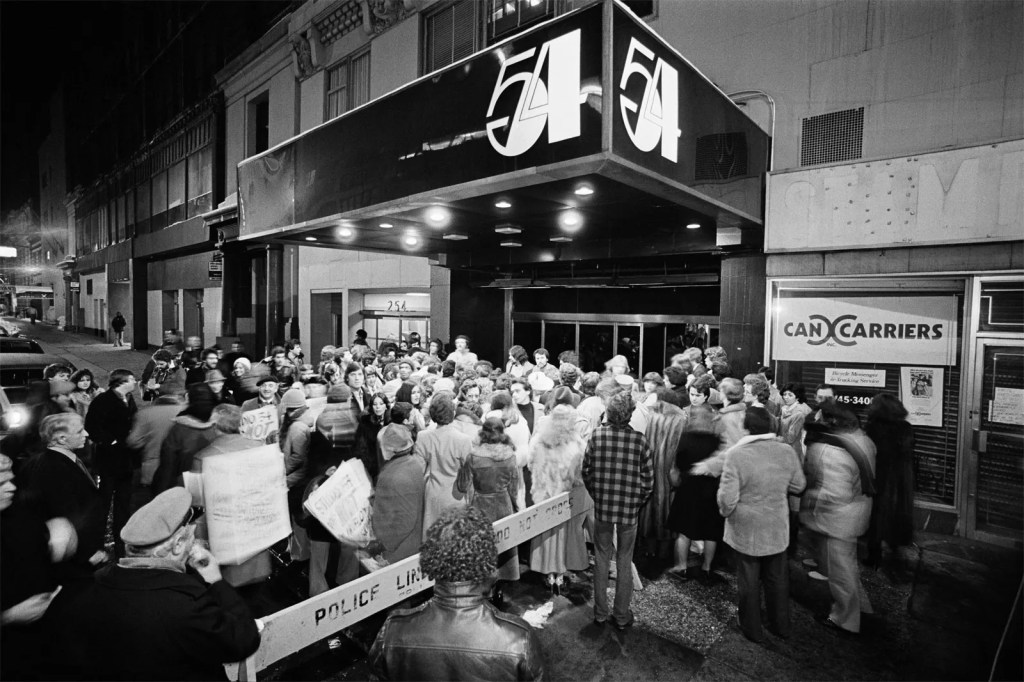
The legendary New York City nightclub Studio 54 opened in April 1977.
The New York connection
One of the spaces Denise highlights is New York’s Paradise Garage, which opened in 1977.
With Larry Levan behind the turntables, the Garage became a place where musical and cultural differences could be explored. His sets connected sounds across genres that moves between artists as different as the Clark Sisters and Kraftwerk.
Denise also reminds us that Levan and Frankie Knuckles belonged to New York’s queer dance culture before they became central figures in the histories associated with their respective clubs.
This is where the connection to Chicago becomes especially interesting.
After moving from New York to Chicago, Robert Williams wanted to create parties inspired by the New York loft scene. He offered Levan a DJ residency. Levan declined and encouraged his DJ partner, Frankie Knuckles, to take the opportunity.
Knuckles brought musical influences from New York to the Warehouse in Chicago. In Denise’s account, the name “house music” emerged through listeners and record shoppers identifying the sound with the Warehouse.
The music traveled with the people who played it.
Chicago transformed the sound
But Chicago contributed much more than a destination for New York’s musical traditions.
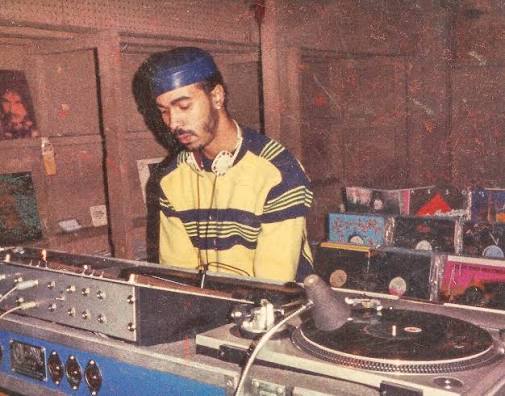
Ron Hardy for the Music Box
After Knuckles left the Warehouse in 1983, Williams eventually hired Ron Hardy for the Music Box. Hardy, who came from Chicago’s South Side, brought his own approach: more jazz and electro-funk, faster tempos, and experimental sound manipulation.
He also played tracks made by local artists, helping create opportunities for Chicago’s emerging house producers.
This part of Denise’s article is essential to my argument. The connection between the cities helps us understand how Chicago musicians and dancers transformed existing influences into something with its own identity.
Who gets remembered?
Denise also asks us to consider the people whose names rarely appear in these histories.
Women participated as DJs, producers, promoters, and dancers, even when accounts pushed them to the margins. The AIDS epidemic and losses associated with addiction devastated the communities that sustained these spaces. Many participants died without getting to tell their stories.
Remembering house means remembering the everyday people who made a scene possible, alongside its celebrated DJs.
So, did NYC start house music?
My takeaway is that New York helped shape the musical and cultural foundations that traveled to Chicago, where house developed its distinctive sound. Following that movement gives us a richer history than a competition between cities.
The next time we step onto a house dance floor, we are stepping into a history shaped by Black and Latino trans and queer communities, their creativity, their movement, and their determination to make room for themselves.
As Frankie Knuckles said, in the words Denise cites: “House music is disco’s revenge.”


Leave a Reply